Toyota/Lexus Owners

Status
Not open for further replies.
Certainly did sound like they were prepared to counterfeit, I could also pay to have my own Shannow branded filters.

It gave me pause when I realised that the OEM filter was $38, and I bought 4 for $100 online at one stage.

The OEM had a red canister O ring...the onlines were all black.
 
Should an oil filter analyst subtract the beginning color from the end color to get the final efficiency rating? It's all pretty new here. It seems that the TRD is at a disadvantage being so white. Then there is the odd case of the Fram Ultra having pink as the starting color, sort of unfair advantage over Champ Labs and Purolators full synthetics? Wix too doesn't try to start with color on the XP I don't believe. It's like Fram gets an unfair head start on things among the synthetics.

My big question is what if the dirt is light color, not black? It could be unfair that way as well. A filter could catch a lot of white sand, be the best at it too, and still be labelled inefficient.
 
Originally Posted By: Gokhan
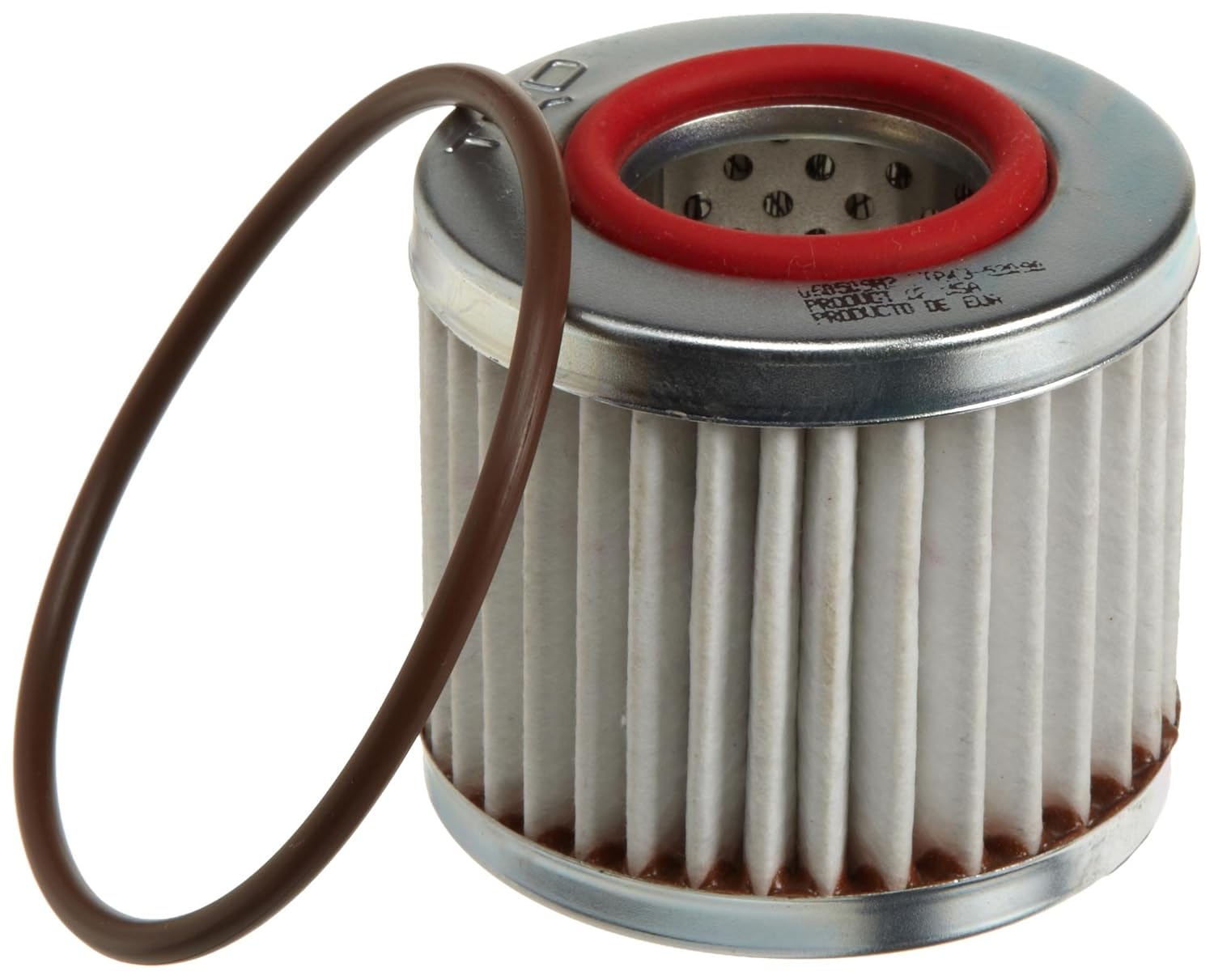
For hardcore enthusiasts the TRD performance oil filter made by Champion Laboratories is also available but pricey.

TRD Performance oil filter PTR43-52090

71ygGAzb7eL._SL1500_.jpg


The TRD spin on filter looks like a K&N with different paint judging by that nut on the top.
 
Originally Posted By: jongies3
Originally Posted By: Gokhan
For hardcore enthusiasts the TRD performance oil filter made by Champion Laboratories is also available but pricey.

TRD Performance oil filter PTR43-52090

71ygGAzb7eL._SL1500_.jpg


The TRD spin on filter looks like a K&N with different paint judging by that nut on the top.

Yes, they are both made by the Champion Laboratories (along with Amsoil and Royal Purple). However, their media may differ. Amsoil and Royal Purple also use white full-synthetic media but I read somewhere that they could be different from each other. Perhaps not.
 
Originally Posted By: bbhero
The answer meant a lot... But you put your head in the proverbial sand. But whatever. Go find out how many VWs lasted hardly past 100k miles.


It didn't mean a lot in the current context, and in that context it doesn't matter how many VW's lasted hardly past 100k miles. (It is mildly interesting in its own right, but I doubt that information is available, for Beetles, Toyotas, or any other car.)

You're missing or avoiding the central point here. People's belief in the reliability/longevity of a particular make or car (and both Toyota's in general and VW Beetles in particular are widely believed to be reliable/long lived), whether its justified or not, doesn't tell us anything about filtration efficiency.

Even if (and its a BIG IF) filtration efficiency was the main factor influencing engine wear, I'd bet that relatively few cars now or in the past are or were scrapped because of engine wear. They are scrapped for a whole range of reasons, notably the interaction between market forces and user attitude.

For example, any surviving Beetles are now unlikely to be scrapped, because they have classic status and are an appreciating asset. If the engine wears, it'll be rebuilt.

 
Last edited:
Last edited:
Originally Posted By: goodtimes
A filter could catch a lot of white sand, be the best at it too, and still be labelled inefficient.


Good point. Aluminium is shiny. With serious wear, a reflectance-based method might end up with "negative dirt". Probably not the way to go, though I'd think it could be made to work most of the time.
 
Last edited:
I agree this is a good point. With modern engines now using more and more aluminum inside, a filter used during the break in period might not show the tiny metal fines like the steel and cast iron of days past. That could confirm the very light color on the one filter with the pic posted earlier since that filter was the first one used for break in and a short interval. In that case, there is no dirt or contaminants inside the engine. Every oci thereafter will have some contaminants.
 
Originally Posted By: PimTac
... That could confirm the very light color on the one filter with the pic posted earlier since that filter was the first one used for break in and a short interval. In that case, there is no dirt or contaminants inside the engine. Every oci thereafter will have some contaminants.
The filter color isn't going to be much different from that photo even with an engine that's no longer so new, as long as it's in decent condition, not subject to some abnormal contamination, etc. The YZZA6 I removed with >8000 miles on the oil (and >17500 on the filter itself, which makes very little difference) was barely darker than that 5000-mile one. Lighter, actually, after I soaked most of the oil out.
 
Originally Posted By: CR94
Originally Posted By: PimTac
... That could confirm the very light color on the one filter with the pic posted earlier since that filter was the first one used for break in and a short interval. In that case, there is no dirt or contaminants inside the engine. Every oci thereafter will have some contaminants.
The filter color isn't going to be much different from that photo even with an engine that's no longer so new, as long as it's in decent condition, not subject to some abnormal contamination, etc. The YZZA6 I removed with >8000 miles on the oil (and >17500 on the filter itself, which makes very little difference) was barely darker than that 5000-mile one. Lighter, actually, after I soaked most of the oil out.


You have me there. I have never owned a car with a canister filter, only spin on types. In fact the only car I knew with one was a mid 50's Chevy my father owned and he griped constantly trying to get it back together.

So, I have never seen the filter media on my vehicles. Good point. Thanks
 
Again it was specified to that point and that point alone. It's not hard to figure that out here. What I am saying is that the OEM filters are just fine for Toyotas. That's all.

As for the rest of your arguing.... I think you are right about that. Hard to know what if any effect the efficiency factor helped or determined longevity. Well done with that part of it. And I believe you are making very good points there.
 
Last edited:
Originally Posted By: PimTac
... I have never owned a car with a canister filter, only spin on types. In fact the only car I knew with one was a mid 50's Chevy my father owned and he griped constantly trying to get it back together. ...
Yup, I remember the canisters in my parents' mid-50s Chevy, early-50s tractor, and '68 tractor. My father sucked the oil out of the Chevy's filter housing with a chrome-plated steel syringe originally used to shoot medicine down the throats of sheep. Then he wiped out the residual oil and sludge with rags until the interior was spotless. The 50s kind of canisters differed from today's not only in being generally much larger, heavier, and more metallic, but also in how they sealed against oil bypassing around the ends. My brother discovered their flat cover gaskets made good makeshift Frisbees---before real Frisbees were invented.
 
Unfortunately my father didn't have a syringe. Yes that all got cleaned until it was spotless. That was our job. The biggest pain was getting the cover back on without crimping the gasket which was thin as I recall. It took a number of tries before it held properly. Today's setups do look much better.
 
Originally Posted By: Shannow
Certainly did sound like they were prepared to counterfeit

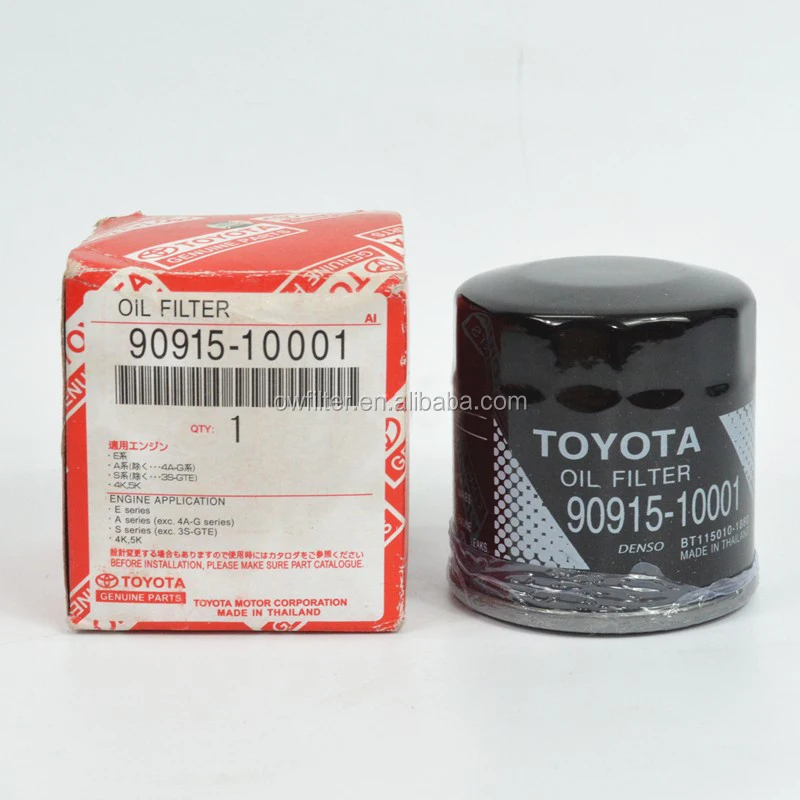
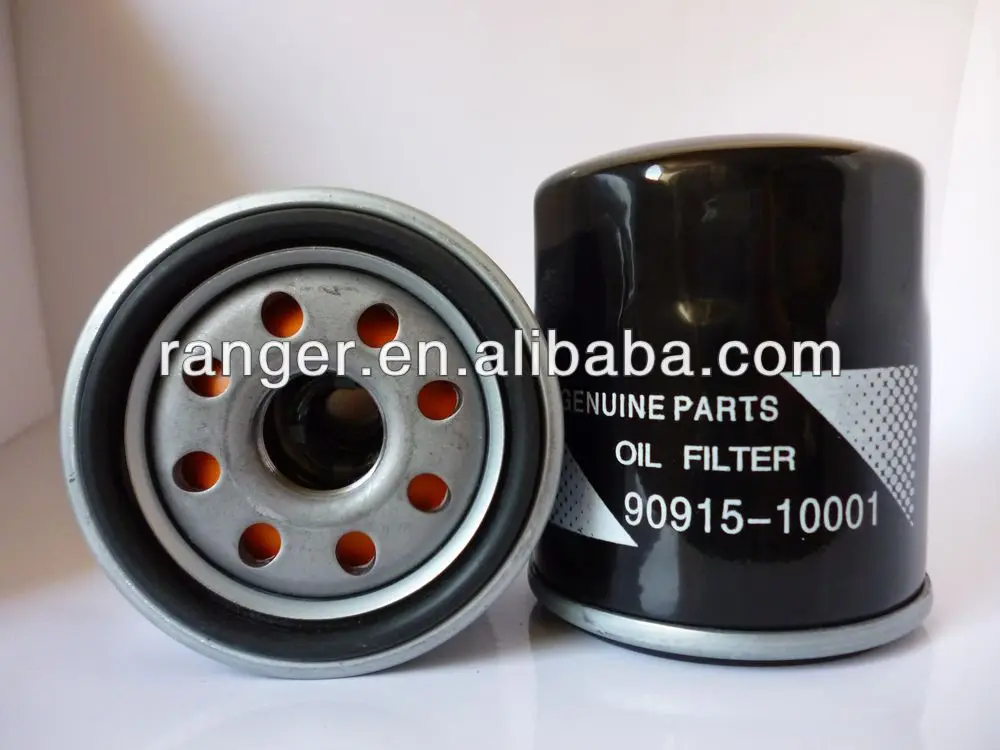
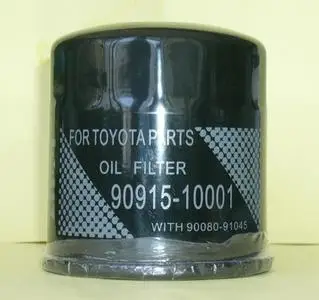
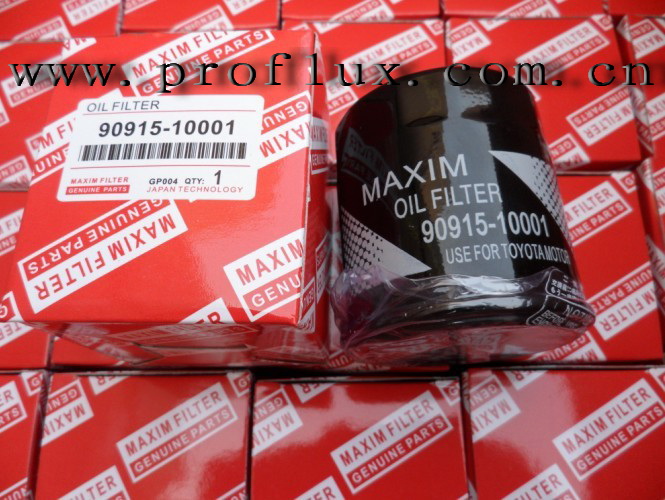
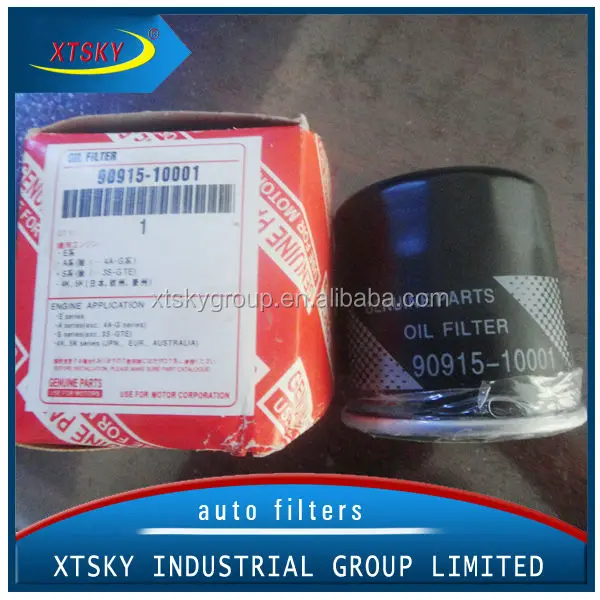
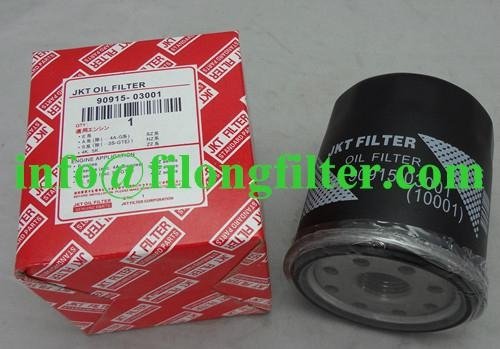
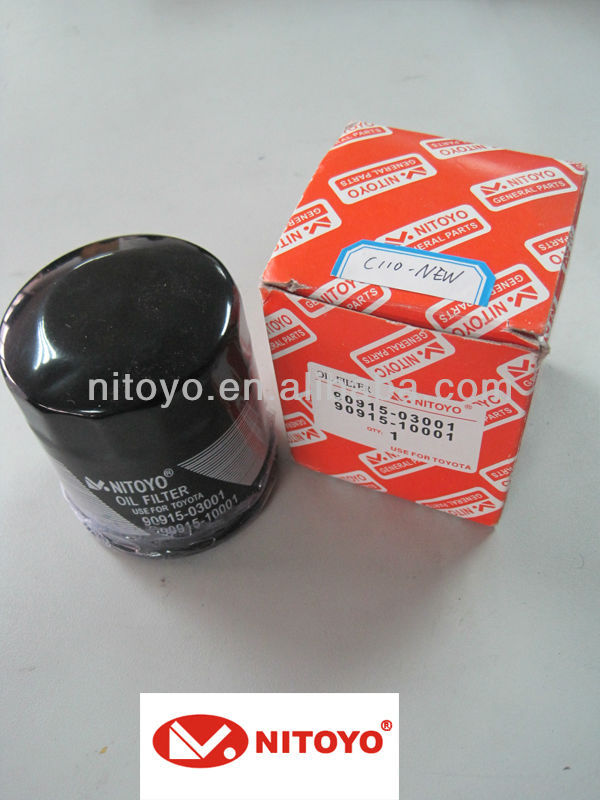
I've seen a lot of counterfeit Toyota oil filters on the Internet. They have the exact same paint job and boxes but will usually say "Genuine" instead of "Genuine Toyota" and "For Toyota" or "Use for Toyota" instead of "Toyota."

The genuine Toyota/Denso 90915-10001 OEM oil filters:

crown_amg-img493x599-1448850140kne65k26087.jpg
Oil-Filter-90915-10001-Used-For-TOYOTA.jpg


A few from the wide spectrum of counterfeit Toyota oil filters:

Auto-Engine-Oil-Filter-for-Toyota-90915-10001-.jpg

90915-10001-high-quality-cheap-oil-filter.jpg

TOYOTA-oil-filter-90915-10001-90915-03001.jpg

201151311443828412.jpg

HT1YW6kFONaXXagOFbXb.jpg

8c30.jpg

1053141595_511.jpg


Here is an interesting video, although a little over-the-top. I've never had a leaking oil filter. And the counterfeit filters seem less efficient than having no oil filter at all. Lol at "(Oil filter) could even be called the heart of the engine."
smile.gif
 
Originally Posted By: Gokhan

Here is an interesting video, although a little over-the-top. I've never had a leaking oil filter. And the counterfeit filters seem less efficient than having no oil filter at all.


Well, if they clog with no bypass, they're more dangerous than no filter at all.

Originally Posted By: Gokhan


Lol at "(Oil filter) could even be called the heart of the engine."
smile.gif


Kidney, I think. Perhaps there should be two.
 
Sometimes the fakes are both scary and funny at the same time. I've seen exact duplicates of GMC pickups roaming the streets except that on the grill it says JMC.

The effort they put into all this is scary. They can also provide counterfeit seals and holograms if the buyer wants. Without expert eyes, that item you just ordered on Amazon or EBay can pass as genuine anywhere.
 
In the GF's 2000 Camry I just use regular Fram filters. They work fine and I live the grip that they put on their filters. They are really easy to change out on this car so I do it often (the filter is tiny, so I don't trust it for a long OCI).
 
MDW's '16 Camry I 4 came with fresh oil. When the light tells me to change the oil, what sort of filter am I gonna hafta deal with? TIA

If it is a PITB, I'll just take it to Valvoline.
grin2.gif
 
Yeah kind of a pain and I prefer taking it to the dealer for an oil change since it's a canister. Plus the filter they use is a quality one along with the TGMO that they use. Had a used oil analysis done after 10k miles when there was 60k miles on the car and it came back with EXCELLENT results. In fact it beat all the universal averages which were based on an even shorter interval of 6600 miles.
 
Status
Not open for further replies.
Back
Top Bottom