Delta A330-300 compressor stall

Status
Not open for further replies.
Nice job by the Delta crew.

Engine comes unglued during takeoff because of a compressor stall, sheds parts, catches fire and the whole time - the airplane is steady, wings are level, and it’s climbing.

This was likely near maximum takeoff weight, so the crew had to precisely control the airplane to climb on one engine. There is also terrain surrounding the airport and city, so a precise ground track has to be followed to assure terrain clearance.

All done while the engine was banging, shaking the plane and fire warnings were going off in the cockpit.

Well done.
 
Nice job by the Delta crew.

Engine comes unglued during takeoff because of a compressor stall, sheds parts, catches fire and the whole time - the airplane is steady, wings are level, and it’s climbing.

This was likely near maximum takeoff weight, so the crew had to precisely control the airplane to climb on one engine. There is also terrain surrounding the airport and city, so a precise ground track has to be followed to assure terrain clearance.

All done while the engine was banging, shaking the plane and fire warnings were going off in the cockpit.

Well done.
I get nervous when my truck bings with a check engine light. I cannot imagine what it is like to have all of the alarms going off with an engine loss like that, as well as having to still fly the plane and have useful communication with your crew and the tower.
 
The most stress, and biggest challenge, was after they landed and brought the aircraft to a stop on the runway for an inspection by “ fire rescue”.

Most pilots expect to communicate directly with “ fire rescue” on a discreet frequency but in Brazil “ fire rescue” only uses UHF ( civilian ATC and pilots use VHF ) making it impossible for pilots to talk directly with “ fire rescue” and requiring the Tower controller to relay information from fire rescue to the pilots.

The Captain was very good making sure he got the information he required and where exactly the fire was coming from ( even though they would already know the engine fire was extinguished/ not extinguished before landing ), eventually because of the poor communication.

Some pilots might have called for an evacuation due to the confusion about “ you have fire” ( and no answer when they would extinguish it ) , and how long getting accurate information took.

Gong show after landing.

Very impressed how the handled everything.

Video from ground observer “ victor oscar romeo “ on the aviation herald website.

 
I could never be a pilot as I wouldn’t know how to remain calm and collected even with training for such scenarios.
There shouldn’t be any major stress issues , put the auto pilot on ( 100 feet after take off Airbus ) let the auto pilot fly the plane while one pilot monitors , keep calm and wait until 400 feet to do the electronic ECAM procedures.

The crew already would have briefed the high terrain and the engine out climb procedures due to high terrain.

The A330 has lots of thrust to climb, even on one engine.

The only stress would be if an engine fire didn’t extinguish after both fire bottles were fired. Then it would be a time critical emergency and get the aircraft on the ground as fast as possible.

Not remaining calm just makes things worse.

Plan every take off as if you will have serious problem after take off ( smoke in the cabin , power loss, engine fire won’t extinguish, birds - one or both engines impacted ).

After you land, assess, and if it’s unsafe to be on the aircraft, order an evacuation but not prematurely because people can get hurt.
 
Last edited:
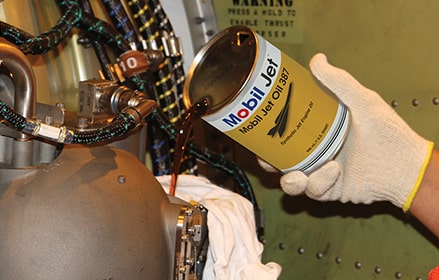
Do you guys think this is Valvoline Restore and Protect or HPL Engine Cleaner 30 job?


Are those on the list of PW approved oils? Might be like going with Amsoil. Maybe Mobil 387 with a can of Restore?

mjo387-oil-pour-surface-sm.jpg
 
There are just more conspiracy people around today who believe what they want to believe with all due respect.

18,000 hours airbus, not a single engine problem but two engine failures on turbo props 35 years ago.
 
There are just more conspiracy people around today who believe what they want to believe with all due respect.

18,000 hours airbus, not a single engine problem but two engine failures on turbo props 35 years ago.
Am I correct in gathering that your Airbus time is all on the A320?
Were these A320s all powered with the CFM-56 engine?
 
Am I correct in gathering that your Airbus time is all on the A320?
Were these A320s all powered with the CFM-56 engine?
All my Airbus experience is on the “A320” ( what my license says ) , but most of my trips were on the A319/321.

I prefer the A319 ( better climb, high altitude cruise ceiling when heavy ).

All 319 will be retired soon where I work.

All CFM but obviously more powerful engines on the A321.

So far, I can’t recall a single problem with the engines, nothing.

Some very minor APU problems ( failed to start ) , maybe, 3 time over 24 years.

Yes: all CFM 56 ( a or b ) engines.
 
Last edited:
Status
Not open for further replies.
Back
Top Bottom