Best Oil for Cleaning Out Varnish?

Status
Not open for further replies.
Originally Posted By: Ben99GT
Originally Posted By: JHZR2
Just having esters or something does not mean much.


It kind of does though, esters are going to compete with oxidation and varnish for surface area, something PAO and Group III won't do by themselves. The fact that RL has a comparatively high ester content combined with a pretty stout detergent/dispersant package should make it a good cleaner by motor oil standards.


That depends. Just because something is an ester does not mean that it is competing for surface. They could have preferential coordination in groups, on other things (particulates, certain chemistries, etc.) or other applications.

Going back to MolaKule's Ester primer:

Quote:
Generally speaking, the higher molecular weight products of an oil show higher viscosities, but that only half of the story since the molecular "structure" also affects the molecular weight. Take the VII molecules of polymthylacrylates. These are high molecular weight structures that cause the formulated oil to become more viscous as temperature rises because of uncoiling at higher temperatures.

Ester may contain high or low molecular weight components as well, and may have KV's of 2 cST to over 100 cSt at 100 C. In esters, the structures are more important than molecular weight (except of course in determining final base viscosity).

When developing esters, particular attention is paid to ester structure. Short linear chains show better oxidative stability, whereas increasing the acid chain length of the molecule improves (decreases) the coefficient of friction.

This why Di- and Pentaerithyritol esters (PE's) are better (more stable) than Trimethylpropane (TMP) esters, and why TMP is better than Neopentylglycol (NPG) esters. The PE's have short chains of linear acid chains with make the ester more oxidatively stable and exhibit lower coefficients of friction.

If the ester is made from linear branched acids, the ester has higher flash points; increasing the molecular weight (making the ester molecule more compact) will also increase the flash point.

Representative esters:

Phthalates - Used mainly in air compressors; short fat molecule results in VI v.s pour point tradeoff.

Trimellitates - Short, branched esters that have high flash points and low volatilities and good thermal stability. Used when you need to leave a soft film behind.

Dimerates - Made from the acid of tallow oils and an alcohol (is three-branched); Has excellent lubricity and thermal and oxidative stability; used mainly in 2-stroke oils.

Polyols - SPE's, PE's, TMP's, TME's, and NPG's. Three or more shortchain but fat molecules. Polyols are generally more oxidative and thermally stable by 50 C over diesters and 150 C over petroleum oils. These esters have lower coefficients of friction than either diesters or PAO's.

By adding a polyol ester at least 5-10% to a PAO or mineral oil reduces base oil friction remarkably. So esters are natural Friction Modifiers.

Advanced esters can also BE USED AS VII improvers. Unlike long-chain polymers (such as methacrylates), complex polyols do NOT EXHIBIT the temporary loss of viscosity under forces exterted by shear, as in gears. Because complex esters are shorter chain molecules, they tend not to shear into smaller molecules.

Adding amine "backbones" to ester molecules allows them to have better antioxidant capabilities.


So you can see that the functionality of esters may or may not have the basis of competing for surface. The combination of stearic hinderance, large molecules (which fold to minimize energy and may not be able to approach a surface in a straightforward way), etc. effect the scenarios. Just because esters are present does not mean that their functionality will automatically adsorb them to a surface, or that the blenders intended for them to do this. There is a chance that this might happen, but it is a function of access and surface energies, which may or may not be favorable, and which may change depending upon how the chemistry of the oil and surface changes.
 
Originally Posted By: JHZR2
That depends. Just because something is an ester does not mean that it is competing for surface. They could have preferential coordination in groups, on other things (particulates, certain chemistries, etc.) or other applications.


We know Red Line uses primarily high molecular weight polyol esters, and we know surface competition occurs because of their natural polarity.

Originally Posted By: Tom NJ
3) Detergency/Dispersency: The polar nature of esters also makes them good solvents and dispersants. This allows the esters to solubilize or disperse oil degradation by-products which might otherwise be deposited as varnish or sludge, and translates into cleaner operation and improved additive solubility in the final lubricant.


http://www.bobistheoilguy.com/forums/ubb...rue#Post1252272

Originally Posted By: Tom NJ
Polyol Esters

The term “polyol esters” is short for neopentyl polyol esters which are made by reacting monobasic acids with polyhedric alcohols having a neopentyl structure. The unique feature of the structure of polyol ester molecules is the fact that there are no hydrogens on the beta-carbon. Since this “beta-hydrogen” is the first site of thermal attack on diesters, eliminating this site substantially elevates the thermal stability of polyol esters and allows them to be used at much higher temperatures. In addition, polyol esters usually have more ester groups than the diesters and this added polarity further reduces volatility and enhances the lubricity characteristics while retaining all the other desirable properties inherent with diesters. This makes polyol esters ideally suited for the higher temperature applications where the performance of diesters and PAOs begin to fade.

Like diesters, many different acids and alcohols are available for manufacturing polyol esters and indeed an even greater number of permutations are possible due to the multiple ester linkages. Unlike diesters, polyol esters (POEs) are named after the alcohol instead of the acid and the acids are often represented by their carbon chain length. For example, a polyol ester made by reacting a mixture of nC8 and nC10 fatty acids with trimethylolpropane alcohol would be referred to as a “TMP” ester and represented as TMP C8C10. The following is a list of the more common types of polyol esters:

Neopentyl Glycols (NPGs) - 2 Hydroxyls
Trimethylolpropanes (TMPs) - 3 Hydroxyls
Pentaerythritols (PEs) - 4 Hydroxyls
DiPentaerythritols (DiPEs) - 6 Hydroxyls

Each of the alcohols shown above have no beta-hydrogens and differ primarily in the number of hydroxyl groups they contain for reaction with the fatty acids. The difference in ester properties as they relate to the alcohols are primarily those related to molecular weight such as viscosity, pour point, flash point, and volatility. The versatility in designing these fluids is primarily related to the selection and mix of the acids esterified onto the alcohols.

The normal or linear acids all contribute similar performance properties with the physicals being influenced by their carbon chain length or molecular weight. For example, lighter acids such as C5 may be desirable for reducing low temperature viscosity on the higher alcohols, or the same purpose can be achieved by esterifying longer acids (C10) onto the shorter alcohols. While the properties of the normal acids are mainly related to the chain length, there are some more subtle differences among them which can allow the formulator to vary such properties as thermal stability and lubricity.

Branched acids add a new dimension since the length, location, and number of branches all impact the performance of the final ester. For example, a branch incorporated near the acid group may help to hinder hydrolysis while multiple branches may be useful for building viscosity, improving low temperature flow, and enhancing thermal stability and cleanliness. The versatility of this family is best understood when one considers that multiple acids are usually co-esterified with the polyol alcohol allowing the ester engineer to control multiple properties in a single ester. Indeed single acids are rarely used in polyol esters because of the enchanced properties that can be obtained through co-esterification.

Polyol esters can extend the high temperature operating range of a lubricant by as much as 50 - 100°C due to their superior stability and low volatility. They are also renowned for their film strength and increased lubricity which is useful in reducing energy consumption in many applications. The only downside of polyol esters compared to diesters is their higher price tag, generally 20 - 70+% higher on a wholesale basis.

The major application for polyol esters is jet engine lubricants where they have been used exclusively for more than 40 years. In this application, the oil is expected to flow at -65°C, pump readily at -40°C, and withstand sump temperature over 200°C with drain intervals measured in years. Only polyol esters have been found to satisfy this demanding application and incorporating even small amounts of diesters or PAOs will cause the lubricant to fail vital specifications.Polyol esters are also the ester of choice for blending with PAOs in passenger car motor oils. This change from lower cost diesters to polyols was driven primarily by the need for reduced fuel consumption and lower volatility in modern specifications. They are sometimes used in 2-cycle oils as well for the same reasons. In industrial markets polyol esters are used extensively in synthetic refrigeration lubricants due to their miscibility with non-chlorine refrigerants. They are also widely used in very high temperature operations such as industrial oven chains, tenter frames, stationary turbine engines, high temperature grease, fire resistant transformer coolants, fire resistant hydraulic fluids, and textile lubricants.

In general, polyol esters represent the highest performance level available for high temperature applications at a reasonable price. Although they cost more than many other types of synthetics, the benefits often combine to make this chemistry the most cost effective in severe environment applications. The primary benefits include extended life, higher temperature operation, reduced maintenance and downtime, lower energy consumption, reduced smoke and disposal, and biodegradability.
 
IMO oil in and of itself is not going to be good at aggressively cleaning varnish. A good oil can help prevent varnish. But once varnish is present I feel something has to be added to the oil in order to really break down the varnish. I think Red Line oil would be the best choice for people not wanting to tweak their oil, but I wouldn't expect miracles in an engine loaded with varnish.
 
Originally Posted By: Ben99GT

We know Red Line uses primarily high molecular weight polyol esters, and we know surface competition occurs because of their natural polarity.


Still, so what? I dont need a chemistry lesson on what a polyol ester is. That does not tell me anything about competing for surface. At best, what it says is that the esters may self-align with each other due to their polar nature and provide a chemical matrix for solubilizing adds and doing other things... which is the OPPOSITE of moving to a lowest energy state of being adsorbed to a metal surface.

Until you can prove to me that the deltaH of adsorption for the ester is higher than all other compounds in the oil matrix, and that on a titration basis the esters will first leave the oil (i.e. adsorb to the surface) until the point where the surface cannot adsorb more and only then will remain in solution... then your argument is speculation.

The realit is that the ester may well have a greater attraction for moisture, other chemistry, etc than surface metal.

I bet you could run the experiment by titration with a plasma asher, hot metal surface, and a GC. Why not prove it?
 
Originally Posted By: JHZR2
Still, so what? I dont need a chemistry lesson on what a polyol ester is. That does not tell me anything about competing for surface. At best, what it says is that the esters may self-align with each other due to their polar nature and provide a chemical matrix for solubilizing adds and doing other things... which is the OPPOSITE of moving to a lowest energy state of being adsorbed to a metal surface.


Originally Posted By: Tom NJ
2) Lubricity: Polarity also causes the ester molecules to be attracted to positively charged metal surfaces. As a result, the molecules tend to line up on the metal surface creating a film which requires additional energy (load) to wipe them off. The result is a stronger film which translates into higher lubricity and lower energy consumption in lubricant applications.


Originally Posted By: Tom NJ
PAOs and many Group IIIs are completely paraffinic and have virtually no polarity to dissolve degradation by-products. While they will breakdown more slowly than a Group I due to their superior thermal and oxidative stability, their solvency is so poor they just can't cope with polymeric degradation by-products and lay them down as deposits. Group I oils breakdown more quickly, but are better at cleaning up their own mess due to their higher polarity.


Originally Posted By: Tom NJ
POEs help reduce deposits in two ways. First, their higher oxidative stability helps resist deposit formation, and second, their polarity helps dissolve and disperse existing deposits.
 
Originally Posted By: demarpaint
IMO oil in and of itself is not going to be good at aggressively cleaning varnish. A good oil can help prevent varnish. But once varnish is present I feel something has to be added to the oil in order to really break down the varnish. I think Red Line oil would be the best choice for people not wanting to tweak their oil, but I wouldn't expect miracles in an engine loaded with varnish.


I agree 100%
 
To OP: As you can see it's a pretty difficult process to ask what is the best product for anything involving lubricants, coolants, fuel or any other topic you want to throw in here. There are a million different opinions and noone has even scratched the surface on how many products are available to do what your asking.

I recommend Schaeffer's Nuetra. It's listed as a fuel system cleaner. Put a pint in the oil, run the car for 10 or 15 minutes then change the oil. Works like a charm for both oil and fuel systems. Your car will get better fuel mileage for the next few oil changes.
 
Originally Posted By: Ben99GT
Originally Posted By: JHZR2
Still, so what? I dont need a chemistry lesson on what a polyol ester is. That does not tell me anything about competing for surface. At best, what it says is that the esters may self-align with each other due to their polar nature and provide a chemical matrix for solubilizing adds and doing other things... which is the OPPOSITE of moving to a lowest energy state of being adsorbed to a metal surface.


Originally Posted By: Tom NJ
2) Lubricity: Polarity also causes the ester molecules to be attracted to positively charged metal surfaces. As a result, the molecules tend to line up on the metal surface creating a film which requires additional energy (load) to wipe them off. The result is a stronger film which translates into higher lubricity and lower energy consumption in lubricant applications.


Originally Posted By: Tom NJ
PAOs and many Group IIIs are completely paraffinic and have virtually no polarity to dissolve degradation by-products. While they will breakdown more slowly than a Group I due to their superior thermal and oxidative stability, their solvency is so poor they just can't cope with polymeric degradation by-products and lay them down as deposits. Group I oils breakdown more quickly, but are better at cleaning up their own mess due to their higher polarity.


Originally Posted By: Tom NJ
POEs help reduce deposits in two ways. First, their higher oxidative stability helps resist deposit formation, and second, their polarity helps dissolve and disperse existing deposits.


Again, few options: perform the experiment, provide the peer-reviewed literature proving this, or realize that this is purely speculation and may or may not be relevant in terms of a POE's ability to clean.

While I dont deny anything that you posted, as it is all based in fundamental physical chemistry of the situation, it does not mean that POEs are a magic elixir that immediately sweeps up all surface, displacing varnish and whatever else and magically putting an ester monolayer on all metal. If that was the case, varnished engines would have new looking metal after one use of redline. It isnt the case.

Nor does it mean that the POEs don't align and adsorb in some coordination to metal surface atom structutre even with the varnish present (which is what occurs), sitting there but not displacing the varnish. Again, stearic hinderance and long-chain hydrocarbon folding occurs and you dont get a 1:1 surface metal atom to POE chain ratio.

And deposits dont necessarily mean hard-adsorbed surface layers like varnish...

So it can do all that is mentioned and provide better lubricity and film strength, but still not "clean".
 
Originally Posted By: JHZR2
...it does not mean that POEs are a magic elixir that immediately sweeps up all surface, displacing varnish and whatever else and magically putting an ester monolayer on all metal. If that was the case, varnished engines would have new looking metal after one use of redline. It isnt the case.


I don't believe anyone has made that argument, I certainly haven't.
 
Originally Posted By: Ben99GT
Originally Posted By: JHZR2
...it does not mean that POEs are a magic elixir that immediately sweeps up all surface, displacing varnish and whatever else and magically putting an ester monolayer on all metal. If that was the case, varnished engines would have new looking metal after one use of redline. It isnt the case.


I don't believe anyone has made that argument, I certainly haven't.


Originally Posted By: Ben99GT
Originally Posted By: JHZR2
Just having esters or something does not mean much.


It kind of does though, esters are going to compete with oxidation and varnish for surface area, something PAO and Group III won't do by themselves. The fact that RL has a comparatively high ester content combined with a pretty stout detergent/dispersant package should make it a good cleaner by motor oil standards.


So you arent implying that the ester content makes it a good cleaner, though we dont really have proof of this?
 
Originally Posted By: JHZR2
Originally Posted By: Ben99GT
Originally Posted By: JHZR2
...it does not mean that POEs are a magic elixir that immediately sweeps up all surface, displacing varnish and whatever else and magically putting an ester monolayer on all metal. If that was the case, varnished engines would have new looking metal after one use of redline. It isnt the case.


I don't believe anyone has made that argument, I certainly haven't.

Originally Posted By: Ben99GT
Originally Posted By: JHZR2
Just having esters or something does not mean much.


It kind of does though, esters are going to compete with oxidation and varnish for surface area, something PAO and Group III won't do by themselves. The fact that RL has a comparatively high ester content combined with a pretty stout detergent/dispersant package should make it a good cleaner by motor oil standards.


So you arent implying that the ester content makes it a good cleaner, though we dont really have proof of this?


I think that quote is pretty clear.
21.gif
 
Originally Posted By: Ben99GT
Originally Posted By: JHZR2
Originally Posted By: Ben99GT
The fact that RL has a comparatively high ester content combined with a pretty stout detergent/dispersant package should make it a good cleaner by motor oil standards.


So you arent implying that the ester content makes it a good cleaner, though we dont really have proof of this?


I think that quote is pretty clear.
21.gif


I wouldnt hang my hat on redline's ester content making it any better of a cleaner than anything else...
 
Originally Posted By: JHZR2
I wouldnt hang my hat on redline's ester content making it any better of a cleaner than anything else...


Originally Posted By: OVERK1LL
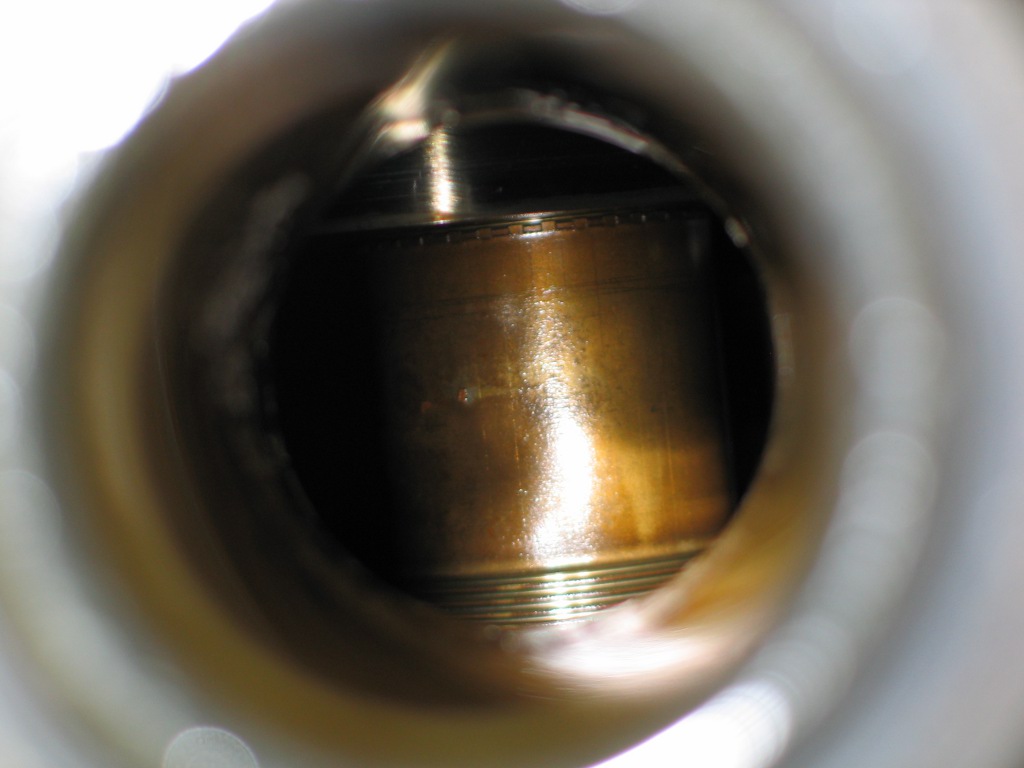
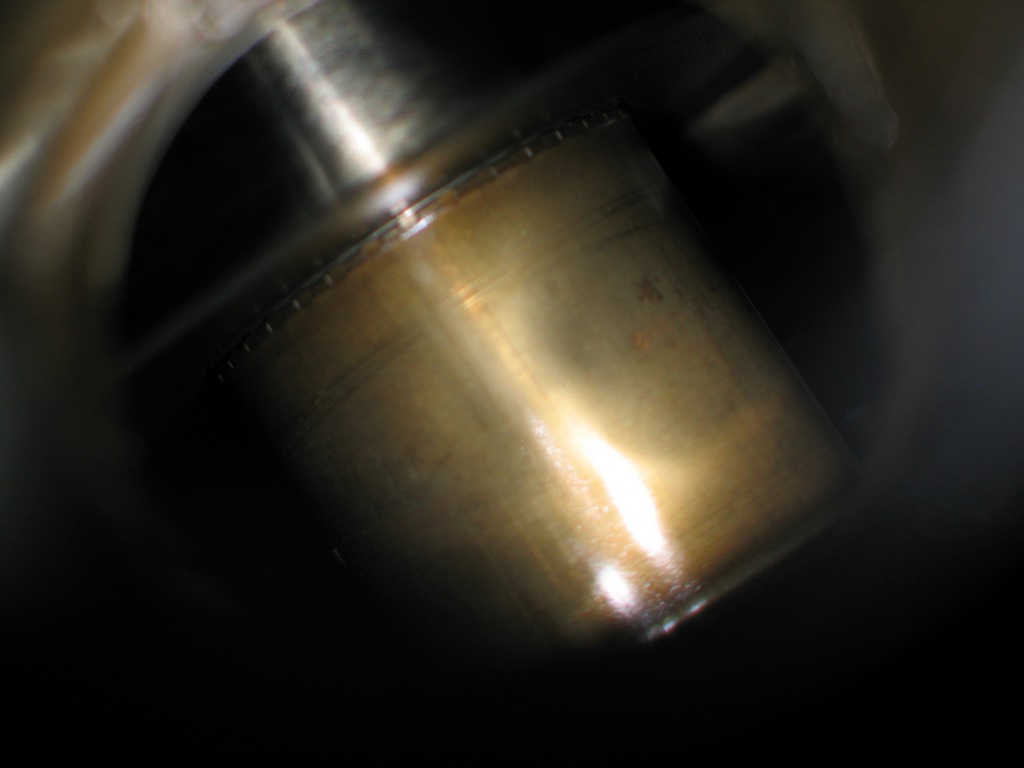
The only oil I can say I've actually seen do anything in short order with varnish is Redline.

Before:
expiecams201101.JPG


After 1,000Km on Redline:
ExpyCamRedline01.JPG


While use of Mobil 1 in various grades had indicated carbon clean-up (probably from the ring pack area) by depositing it in my oil filter, the cams never changed.

I'm still on my first run of Redline.


YMMV, his Focus didn't see the same level of improvement (it was much more varnished to begin with) but I can't help think POE content was at least partially responsible for that difference.

Originally Posted By: Tom NJ
POEs help reduce deposits in two ways. First, their higher oxidative stability helps resist deposit formation, and second, their polarity helps dissolve and disperse existing deposits.


POE should offer some advantage over group II/III/IV in combating varnish, even though it's clearly not the magic cure all.
 
Originally Posted By: Ben99GT
POE should offer some advantage over group II/III/IV in combating varnish, even though it's clearly not the magic cure all.


...and to add, it's even proven ineffective in some situations.
 
And my point still stands that different POEs do different things. So to make a blanket statement that POE does all this stuff so grandly isnt true.

I dont know that what is shown there is due to the previous oil's coloration, temperature effects (oil runoff), etc.

Sure, it looks "cleaner", but what does that mean? The "dirtier" one also looks more wetted with oil. This is a promising result but far from scientific.

Look, we're in violent agreement. POEs have some great properties, and different ones are great tols to ue to formulate an oil. They MAY be a good basis for having an oil that "cleans". But other factors may come into play, and the presence of POEs does not guarantee cleaning or overtaking of metallic surface. We sure hope it does, and in theory it does, but if it were really the absolute case, lots would be solvd by widespread use of POEs. It's not.
 
Originally Posted By: JHZR2
Originally Posted By: Ben99GT
Originally Posted By: JHZR2
The thing is that just because an ester is used does not mean it is inherently a great cleaner. This is an assumption that may or may not have basis.


RL has a polyol ester base, Pennzoil Ultra / Pennzoil Platinum levels of calcium, and even a little Mg. It's been noted by several posters to be a good cleaner.


But you understand that you give a technical basis for why you think it is. Lots of people just spout off that something is "good". Just having esters or something does not mean much.

And even in terms of add pack. Look just above and you have a comment that HDEO isnt good for cleaning. Yet what do you see? Ca, Mg, etc in those.


I agree, especially with a lot of Moly inside, oil will not be very good to do clean up, putting MMO or Kreen in the oil will do the job much faster. Personally, I find PP cleans better than Redline. However, do not ask me for controlled test evidence
grin.gif
 
I was going to chime in with:

1) RP
27.gif

2) Pennzoil Platinum / Pennzoil Ultra (PU still exists? Good Corvette oil!)
3) Redline.

Only thing is, what happens if you clean too much on an older engine.......................
 
Interesting thread
grin.gif


Only thing I can add is that the results on the Expedition were what they were. The results on the Focus weren't anywhere near as dramatic. But it was REALLY caked on in the Focus, whilst the Expedition just had what appeared to be a very light coat on certain parts, and otherwise is quite clean.

That being said, I hear all kinds of claims that PP cleans. Yet I've not seen anything posted by those that claim this as pronounced as what I've observed on the Expedition with Redline
21.gif
 
Status
Not open for further replies.
Back
Top Bottom