Why have auto manuf. eliminated fuel filters?

Status
Not open for further replies.
Maybe bcs tanks are plastic now, fuel is filtered better at gas stations, so no rust or nasty in the gas therefore negating use of anything other than the FP sock?
 
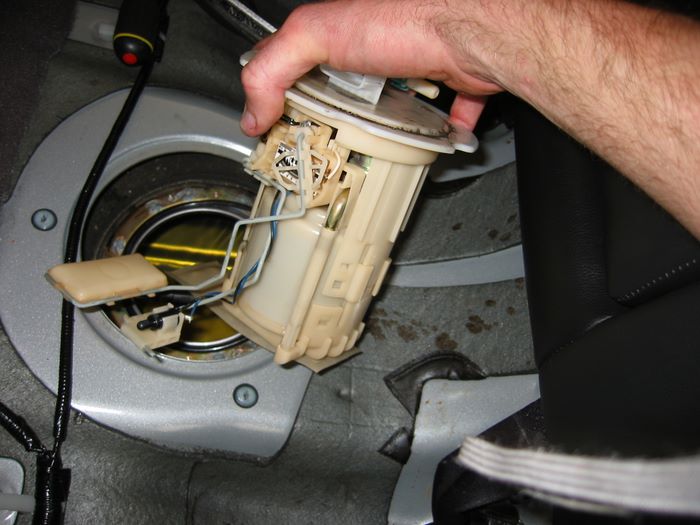
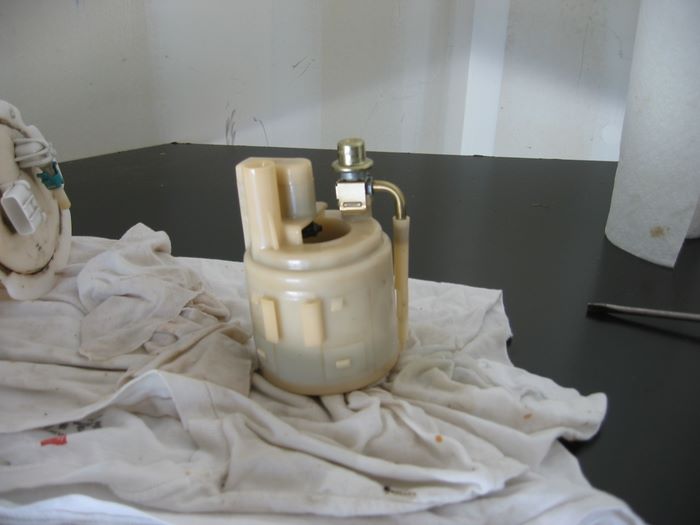
I imagine most cars today have something like this. The bottom picture is the fuel filter that is attached to the fuel pump.

IMG_6105.JPG


IMG_6112.JPG
 
The only filter my Corolla has is the one in the fuel tank...and since the car now has 289K miles and the filter has never been changed/cleaned, I'm guessing they don't need to be....
 
Originally Posted By: AuthorEditor
There seems to be a definite trend toward making cars harder and harder for DIY mechanics to take care of. It's not a conspiracy, just the way it is. I'm frequently surprised though by how there seems to be no thought to access to common maintenance items, meaning that dealers will be spending a lot of time on what should be routine tasks.


German manufacturers have always been like this. The expectation is that you take your car to a dealer or mechanic.
 
Originally Posted By: HerrStig
Returnless systems put a much smaller volume through the system. The Toyota blogs long ago suggested not touching the in line filter used on returnless systems unless a check engine code pointed that way. I've got almost 300K on the OEM filter in a Camry.


It doesn't matter whether the system is returnless or not, the same amount of fuel ends up being passed through the filter. Using the same filter on the same fuel hundreds of times does not load up the filter more quickly.
 
Originally Posted By: sasilverbullet
Originally Posted By: Cressida
...Replacement fuel filters are a big money maker for the aftermarket suppliers so it was in their interest to continue to perpetuate the myth to change the fuel filters. Think of the millions of fuel filters that have been replaced over the years to make the owner feel good or by DIY's who had other engine problems but always changed the fuel filter first because it was rather easy and just to rule it out...


I don't think it's a myth - over 35 years I've had 4 different cars fuel filters become clogged.


Yes, but 35 years ago gas was lousier concerning debris.
Recently, things are much better.
 
Originally Posted By: mechtech2
Originally Posted By: sasilverbullet
Originally Posted By: Cressida
...Replacement fuel filters are a big money maker for the aftermarket suppliers so it was in their interest to continue to perpetuate the myth to change the fuel filters. Think of the millions of fuel filters that have been replaced over the years to make the owner feel good or by DIY's who had other engine problems but always changed the fuel filter first because it was rather easy and just to rule it out...


I don't think it's a myth - over 35 years I've had 4 different cars fuel filters become clogged.


Yes, but 35 years ago gas was lousier concerning debris.
Recently, things are much better.


Just replaced a fuel filter on a late-model vehicle because it was completely plugged up. Only gas from busy, name brand stations used.
 
What the heck, if you have a single, in-the-tank, low-micron filter that has a LARGE surface area/capacity so that it will last several hundred thousand miles before clogging, then "It's all good" as far as I can see, another maintenance item turned no-maintenance. I don't miss Zerk fittings either. The pump will usually fail eventually anyway, at which point the filter will swapped too. The problem is, if the bean counters get their hands on it, will they transform that "LARGE" filter into "just adequate," meaning at least some of them will actually clog?
 
i dont under stand. gasoline catches on fire, soooo lets put electricity in the gasoline. so who thought of that? fire men, parts makers, hospitals, doctors, lawyers, Judges, insurance cos, mechanics, car makers. the car makers are like the government, they give you what THEY want you to have, what you want does not come into any thing.
 
Originally Posted By: morris
i dont under stand. gasoline catches on fire, soooo lets put electricity in the gasoline. so who thought of that? fire men, parts makers, hospitals, doctors, lawyers, Judges, insurance cos, mechanics, car makers. the car makers are like the government, they give you what THEY want you to have, what you want does not come into any thing.


No problem, just make the electric fuel pump "intrinsically safe," fully separating any sparking or hot components from the fuel. Works quite well and reliably. Didn't work so well in TWA Flight 800 in 1996, but that was caused by worn wiring in the 747’s center fuel tank. With an electric in-tank fuel pump, you have a contained unit without any loose wires or harnesses to rub and wear located within the fuel environment. Bottom line, “fuel pump fires” on modern cars aren’t something you’re gonna see very often on the side of the highway at all. Flammable liquid storage rooms have intrinsically safe wiring and lighting as well, with specially sealed conduit and fittings.
 
Some have two in-tank fuel filters/screens/socks .

One before the fuel pump enclosure and one directly before the pump.
 
Originally Posted By: morris
i dont under stand. gasoline catches on fire, soooo lets put electricity in the gasoline.


Gasoline doesn't catch on fire. Gasoline VAPOR burns.

Throwing a match into a gallon of gasoline (especially cold gasoline on a cool day) is like throwing a match into a gallon of water.
 
Originally Posted By: Hokiefyd
Originally Posted By: morris
i dont under stand. gasoline catches on fire, soooo lets put electricity in the gasoline.


Gasoline doesn't catch on fire. Gasoline VAPOR burns.

Throwing a match into a gallon of gasoline (especially cold gasoline on a cool day) is like throwing a match into a gallon of water.


Not only that, but the gasoline vapor in a fuel tank likely lacks sufficient oxygen for ignition anyway.
 
Originally Posted By: TC
What the heck, if you have a single, in-the-tank, low-micron filter that has a LARGE surface area/capacity so that it will last several hundred thousand miles before clogging, then "It's all good" as far as I can see, another maintenance item turned no-maintenance. I don't miss Zerk fittings either. The pump will usually fail eventually anyway, at which point the filter will swapped too. The problem is, if the bean counters get their hands on it, will they transform that "LARGE" filter into "just adequate," meaning at least some of them will actually clog?


Yep and most cars never see beyond 200k before being junked, so if you design it to last at least that long 99% of owners won't have to replace it.

The 1% who do, well that's the price you pay for driving a high mileage vehicle.
 
Originally Posted By: morris
i dont under stand. gasoline catches on fire, soooo lets put electricity in the gasoline. so who thought of that? fire men, parts makers, hospitals, doctors, lawyers, Judges, insurance cos, mechanics, car makers. the car makers are like the government, they give you what THEY want you to have, what you want does not come into any thing.


Vapors burn, gas does not. I have seen gas boil and not ignite.
 
Originally Posted By: Hokiefyd
Originally Posted By: morris
i dont under stand. gasoline catches on fire, soooo lets put electricity in the gasoline.


Gasoline doesn't catch on fire. Gasoline VAPOR burns.

Throwing a match into a gallon of gasoline (especially cold gasoline on a cool day) is like throwing a match into a gallon of water.


I dont know about that one.
 
Originally Posted By: cchase
Originally Posted By: HerrStig
Returnless systems put a much smaller volume through the system. The Toyota blogs long ago suggested not touching the in line filter used on returnless systems unless a check engine code pointed that way. I've got almost 300K on the OEM filter in a Camry.


It doesn't matter whether the system is returnless or not, the same amount of fuel ends up being passed through the filter. Using the same filter on the same fuel hundreds of times does not load up the filter more quickly.


You don't understand how a shunt regulated system works, then. Anything in that type of system that is NOT burned gets send back to the tank and, obviously, pumped through the filter again. The non-return system does NOT do that. Some pretty clever fuel pump control technology is used as part of the pressure control system. The ECU controls fuel pump speed based on actual demand. You COULD Google it.
 
Originally Posted By: Cressida
Even before the returnless fuel system, Toyota has never recommended a replacement interval for their fuel filters. (At least for the modern era - back to about 1983 which I am familiar with).

They could basically go for the life of the car (300,000 miles).

Replacement fuel filters are a big money maker for the aftermarket suppliers so it was in their interest to continue to perpetuate the myth to change the fuel filters. Think of the millions of fuel filters that have been replaced over the years to make the owner feel good or by DIY's who had other engine problems but always changed the fuel filter first because it was rather easy and just to rule it out.

I still would like to have one in-line though and didn't know they were not offered on the newer cars.

The number of well intentiond folks who have snapped a fuel line connector trying to remove a Toyota fuel filter supports the suggestion not to change it. The "quick disconnect" on the later Camrys is a disaster waiting to happen. If a filter actually cloggs you will at some point get a CEL.
 
Originally Posted By: lexus114
Originally Posted By: Hokiefyd
Originally Posted By: morris
i dont under stand. gasoline catches on fire, soooo lets put electricity in the gasoline.


Gasoline doesn't catch on fire. Gasoline VAPOR burns.

Throwing a match into a gallon of gasoline (especially cold gasoline on a cool day) is like throwing a match into a gallon of water.


I dont know about that one.
No VAPOR, no BOOM.
 
Status
Not open for further replies.
Back
Top Bottom