Quote:
Are there underbody add-ons that could offer a decent increase in mpg?
If you do a little searching, you can find examples of some production vehicles that already have "belly pans", as they are sometimes called (and no, I don't have a list of which vehicles come with this underside feature). And you also see this feature mentioned as a fuel saving feature of some "concept cars" that are demoed at various trade shows. So the idea is already out there, even though the majority of auto-makers don't (yet) go with this approach.
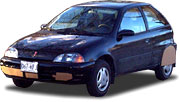
And FWIW the reports I've read of DIY types trying their own belly pans, is that the aerodynamic (and therefore fuel economy) improvements from belly pans are usually noticeably more significant than the aerodynamic improvements to the side that wheel skirts provide. Which shouldn't be much of a surprise, if you just look at how much stuff (under most cars) is sticking out at various odd angles, just waiting to grab passing air.
However, belly pans are apparently more of PITA to design right, than wheel skirts are. One of the bigger potential issues you have to watch out for (and properly deal with), is the risk of trapping heat (since many exhaust systems run under the cars). And belly pans can also make you more likely to "bottom out" (again, if you aren't careful about the design), as they do tend to lower the bottom surface of the car/truck some. And I've even heard that some mechanics hate cars with belly pans on them, as you often have to unhook/remove the belly pan before you can work on the underside of the car. So designing a proper belly pan (that does its aerodynamic job, without causing significant other problems such as heat buildup), can potentially be a bit of an engineering challenge.
And FWIW aerodynamic improvements are only one potential area where there is still a lot of room for improvement. Virtually anything that has sound engineering reasons why it could lower the drag on the engine or vehicle, should improve fuel economy (it's then a cost/benefit analysis). For example, while they aren't advertised much, tire makers do make tires specifically designed for "low rolling resistance". And such tires do apparently make a small but measurable boost in fuel economy (although unlike aerodynamic mods which mostly help during faster highway speeds, LRR tires make their biggest difference in slower city driving). Likewise, even something as simple as lubing up your wheel gears (and thereby allow the wheels to turn more freely) can make a noticeable difference.
Of course, just because some parts maker claims that something helps fuel economy, doesn't necessarily mean it does. There is still way too much "snake oil" being sold to the public (those stupid "tornado" air intake gizmos are just one example of a so-called fuel economy mod that is pure junk). And not all the mods that could improve fuel economy make economic sense to pursue (some are actually more costly to do, than the $$$ value of the fuel they save).
And it's even true that many mods that can make economic sense, often only make economic sense for some types of driving styles (so that has to be factored into any cost/benefit analysis). For example, aerodynamic improvements/mods are most cost-effective (i.e. save the highest percentage of fuel) the faster you drive (because air drag increases the faster you go, and therefore aerodynamic improvements to that drag become more significant the faster you go). So an aerodynamic improvement may make a lot of sense for someone who does a lot of 65+ highway driving, but would be of much less benefit to someone who mostly does stop and go driving around town. Conversely, mods to lower unwanted friction are most cost-effective at lower speeds, but their effectiveness tends to get overwhelmed by air drag issues as you drive faster.