

JHZR2
Staff member
This is a work in progress, so Im taking pictures as I go, hoping that some might advise ways to do things better if needed.
Recall that I changed my old 24k BTU AC with a 17k BTU Friedrich Kuhl in wall, which cools better, throws air better, is far more quiet, and is more efficient both in terms of draw and thermodynamic efficiency.
The cases were supposedly the same size, but what I have now is this:
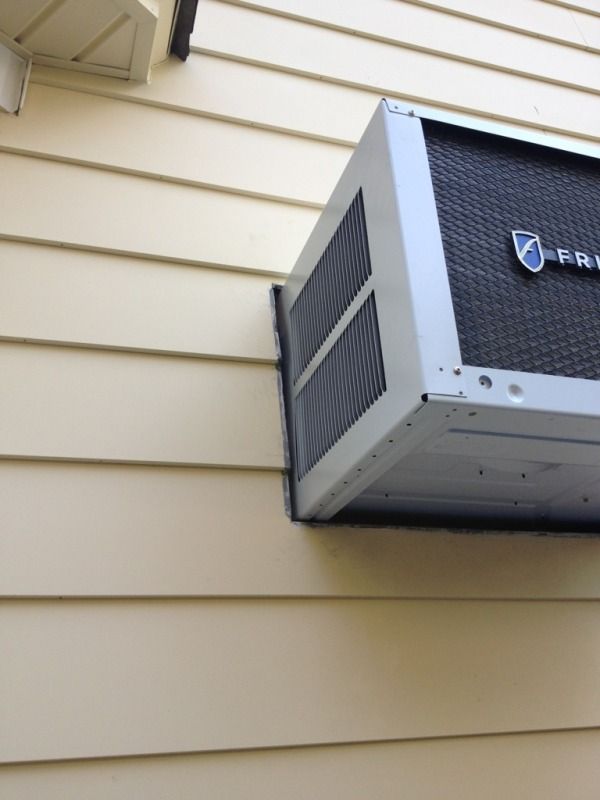
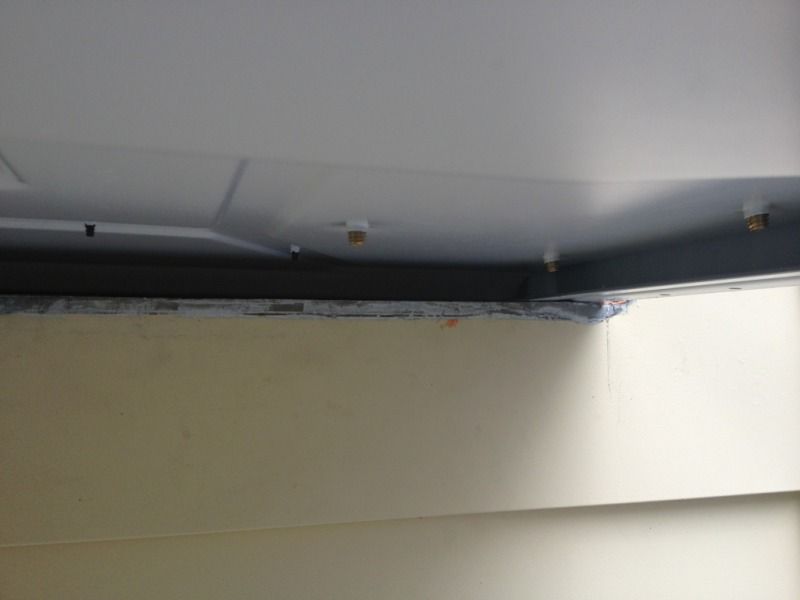
So you can see a gap on the side and underneath. Im starting with the underneath.
The situation is that the AC is mounted onto a framed hole in the wall. The frame was in there from the old one and worked perfect. Used it for this one with minimal modifications.
The problem is that the belly pan of the AC insert isnt fully flat, so there is a decent gap, and what this really does is expose some of that frame, essentially exposing into the wall!
Not a great picture, but you can kind of see here that the sheething and then the frame into the wall can be seen:
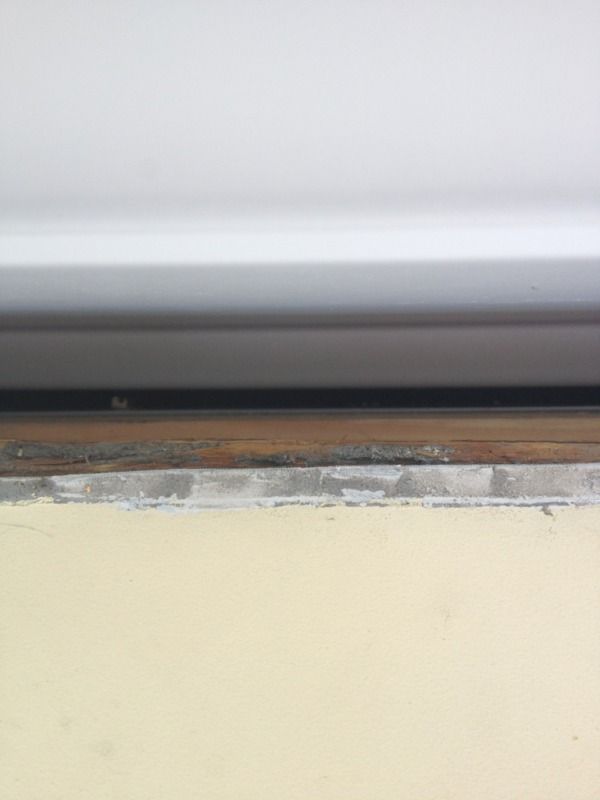
Now, even under hard rains, the inside of the wall has stayed dry. It was bone dry with no sign of ever having moisture in there when I pulled the old one, and even now, with the gaps sitting open, looks and feels dry.
But I did notice that on the underside of the new AC pan, when it is real humid and rainy out, I did see moisture in that gap, which would equate to inside the wall when all is said and done, so I need to protect the wood in there as well as seal up the whole thing.
So I decided to make a cap with aluminum flashing and my brake.
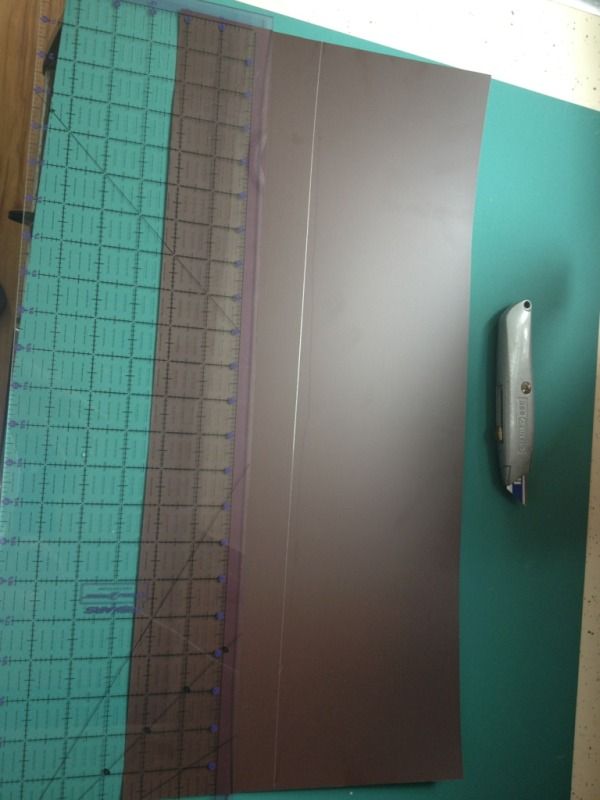
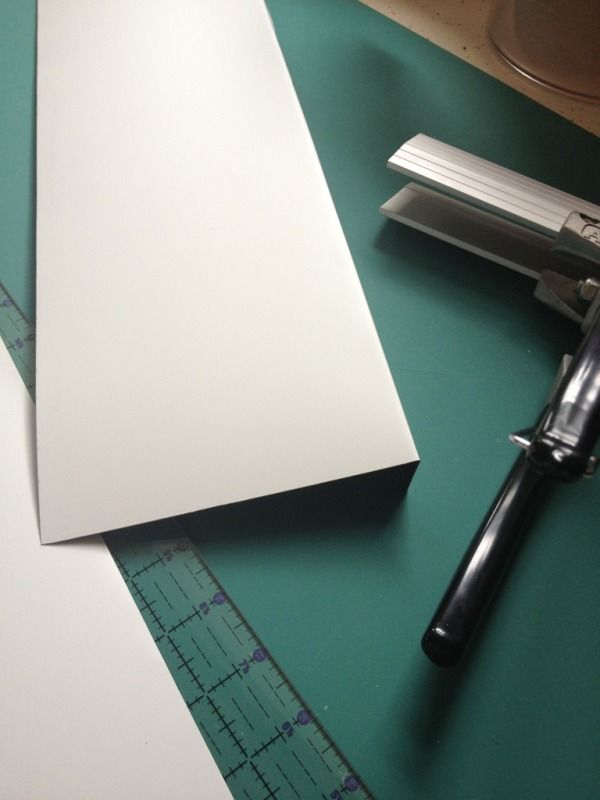
So I made that and did a test fit:
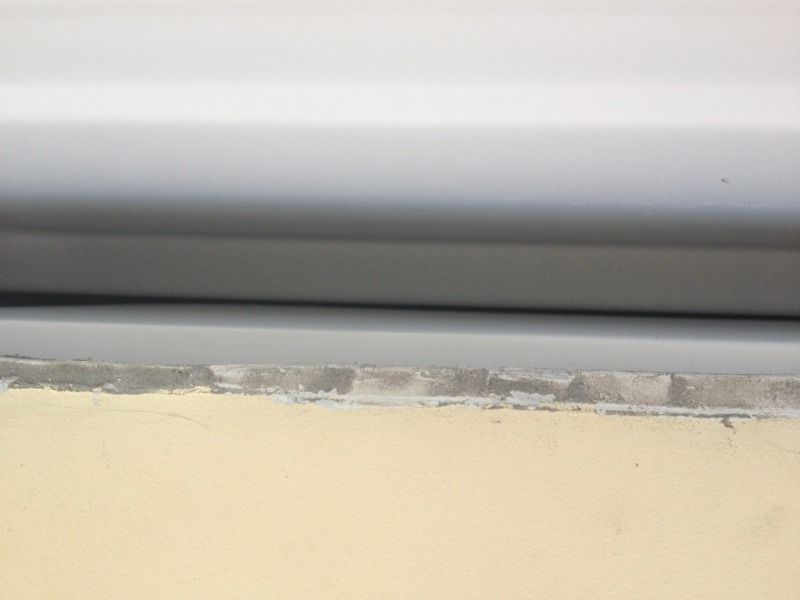
So, this item isnt going to be just left like that, exposed and claimed to be "finished...
My plan is to use an adhesive sealant around the edges of that cap, then install that. At the furthest in point, Ill put a plug of duct seal along the entire edge for air sealing, and then put another sloped piece of flashing from that outward and down to overlap a J channel that Ill install upside down on the lower edge of the hole. The J channel would be sealed to this flashing that Ive put in to make sure that it is all connected together, and then the flashing cap would go over both to provide the actual water flow direction...
Question is, should I do something else to close in that gap beyond what Im saying? I want to be sure that if any moisture ends up in there on that lower pan of the AC, that it can drain out, but I dont want a hole big enough that birds or other critters could live there....
Recommendations on my plan so far?
Recall that I changed my old 24k BTU AC with a 17k BTU Friedrich Kuhl in wall, which cools better, throws air better, is far more quiet, and is more efficient both in terms of draw and thermodynamic efficiency.
The cases were supposedly the same size, but what I have now is this:
So you can see a gap on the side and underneath. Im starting with the underneath.
The situation is that the AC is mounted onto a framed hole in the wall. The frame was in there from the old one and worked perfect. Used it for this one with minimal modifications.
The problem is that the belly pan of the AC insert isnt fully flat, so there is a decent gap, and what this really does is expose some of that frame, essentially exposing into the wall!
Not a great picture, but you can kind of see here that the sheething and then the frame into the wall can be seen:
Now, even under hard rains, the inside of the wall has stayed dry. It was bone dry with no sign of ever having moisture in there when I pulled the old one, and even now, with the gaps sitting open, looks and feels dry.
But I did notice that on the underside of the new AC pan, when it is real humid and rainy out, I did see moisture in that gap, which would equate to inside the wall when all is said and done, so I need to protect the wood in there as well as seal up the whole thing.
So I decided to make a cap with aluminum flashing and my brake.
So I made that and did a test fit:
So, this item isnt going to be just left like that, exposed and claimed to be "finished...
My plan is to use an adhesive sealant around the edges of that cap, then install that. At the furthest in point, Ill put a plug of duct seal along the entire edge for air sealing, and then put another sloped piece of flashing from that outward and down to overlap a J channel that Ill install upside down on the lower edge of the hole. The J channel would be sealed to this flashing that Ive put in to make sure that it is all connected together, and then the flashing cap would go over both to provide the actual water flow direction...
Question is, should I do something else to close in that gap beyond what Im saying? I want to be sure that if any moisture ends up in there on that lower pan of the AC, that it can drain out, but I dont want a hole big enough that birds or other critters could live there....
Recommendations on my plan so far?


