adhesive/bonding 'plastics'??

Status
Not open for further replies.
Joined
Dec 23, 2013
Messages
1,246
Location
Minnesota
Most of my 'power equipment' is older and some with plastic panels, ect that have some breaks/cracks. Has anybody researched what 'works' with repairs on the various types of plastics? I find manufacturers queries ignored and the service guys say they just replace. Most of my stuff works well mechanically, but these parts supplies on 30+ year old mochines has pretty well dried up
 
Devcon makes a 2 part epoxy specifically for plastics.
I've had very good luck with it for that purpose.

I've repaired rear view mirrors and plastic engine covers with it, and as far as I know it is still in use on those functions.
 
I use harbor freight epoxy on every thing including ny old maul. And it works great. When it comes to high psi requirements I use JB weld.
 
If you're talking dash panels, etc, they're more than likely ABS, so epoxy should be the ticket. Another good choice would be good ole model cement, like Testor's, which is styrene based to dissolve the plastic just a tad to bond it.
 
Some plastics can be bonded and some must be heat or chemically melted together.

On motorcycle body plastics you can take a panel and align the crack carefully and support it with the non visible side facing up. Take a tube of superglue and run a bead along the crack then sprinkle baking soda into the bead. A chemical reaction will take place and the SG will immediately heat up and harden, not enough to melt the plastic. repeat the process making the bead wider onto surrounding plastic and layering. Once done you'll have a thick SG patch that is very strong and barely visible from the painted side. To make it even stronger lay some fine porous woven fiberglass into the initial bead like re-bar in concrete.
 
I made more calls-one of the Echo service guys said they hadn't had any good luck with differing adhesives and gave up trying. I finally found a local plastics outfit and they indicated that most of these parts are a blend of various plastics with polyethylene as the major component. The guy said these are the most difficult to bond, but that 3M DP 8005 would be the best bet-about $40 for a small amount and a gun is then also needed=such fun.
 
Originally Posted By: SuperDave456
Devcon makes a 2 part epoxy specifically for plastics.
I've had very good luck with it for that purpose.


Devcon plastic welder (the stuff you speak of) is kinda a hybrid between a 2 part epoxy and a solvent welder. So it bonds mechanically to most surfaces, but on the right kind of plastics it actually also solvent welds. It is *the* ducks nuts for gluing any high energy plastic (PVC, ABS, Styrene...). No good on HDPE, PolyProlylene or PTFE.

Because it mechanically bonds too, it'll stick to stuff ordinary epoxy will glue also.

I love it as much as JB Weld for non-plastics.
 
Another recommendation for the Devcon Plastic Weld...great stuff, used it on bumper covers, outdoor kids toys, instrument panels, etc. even a stack of 'nylon' (not sure what they really were) washers for a project that nothing else worked on.

Oddly, just a whiff of the vapors from this stuff gives me an instant dull headache like nothing else I've come across yet...maybe I am just sensitive to whatever is in it.
 
When I first read your post, somehow, I was thinking dash panels etc. If you're talking engine covers etc, like on a weedeater or similar, then it is likely an alloy of plastics, and probably does contain PE, which is very hard to glue, as nothing will stick to it. There are only two options that I know of that 'will work'. One is a product that is for plastic gas tank repair. I don't know a specific name, but auto parts stores sell it. It is an epoxy of some kind, and should do the job, at least that's how they advertise it. For a more perfect repair, you will need to plastic weld it. This is the same as welding metal, except the heat is much less and instead of welding rod, you use plastic rod. It is the same exact process, you heat the part and rod, and melt the rod into the crack. The repair is as strong or stronger than the original part. You would need some decent idea of the plastic content, but it wouldn't have to be exact. I would think PE rod would fix almost any motorcycle body part, engine cowling on weedeaters, and any such plastic. If you do a search on plastic welding on youtube you'll find a lot of good info.

 
Further update. The 'plastics guy' I talked to is actually very involved with plastic welding. He didn't recommend it as he felt it's very necessary to know the 'true mix' of my plastic in order to select the proper welding rod. I ended up using Loctite 'Plastic Bonding System'(it seems the marketeers HAVE to get 'system' in there) It specifies use on Polyethylene /Polypropylene. I had some nice and clean breaks on an Echo blower. The Loctite activator(primer) is first used followed by the 'bonder'. This is a super glue type product. It did well although I then backed up a broken loose control arm with stainless bolts/nylocks for a stronger mechanical hold.
 
Bonds for Polyethylene/propylene are also seriously assisted with flame treating before the primer. He's right about welding though. Use the wrong rod and it just peels off at the worst possible moment.

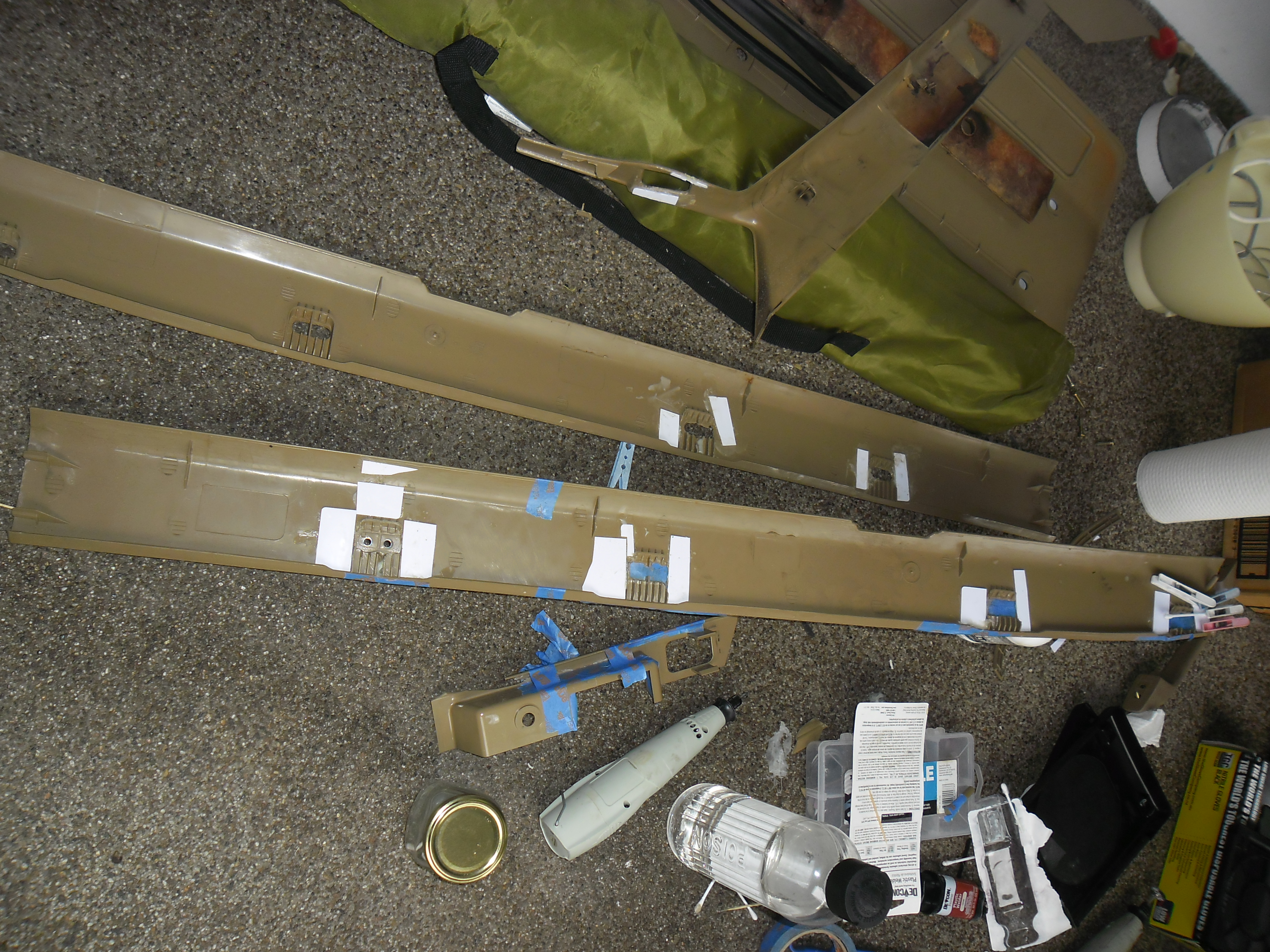
When doing plastics repair with adhesives I always use backing if at all possible. It seriously increases the resulting strength.

SAM_0006.JPG
 
I've used the two part epoxy that comes in a syringe that squirts out equal amounts of base and hardener on some things. It doesn't like gas much though. There is a gas/oil resisted version of it, I haven't used it yet. I also sew cracks together with zip ties sometimes, then reinforce with epoxy. I have a picture of an old repair on a snowblower chute, but can't post it here. Won't let me.
 
Last edited:
Status
Not open for further replies.
Back
Top Bottom