Originally Posted By: Leo99
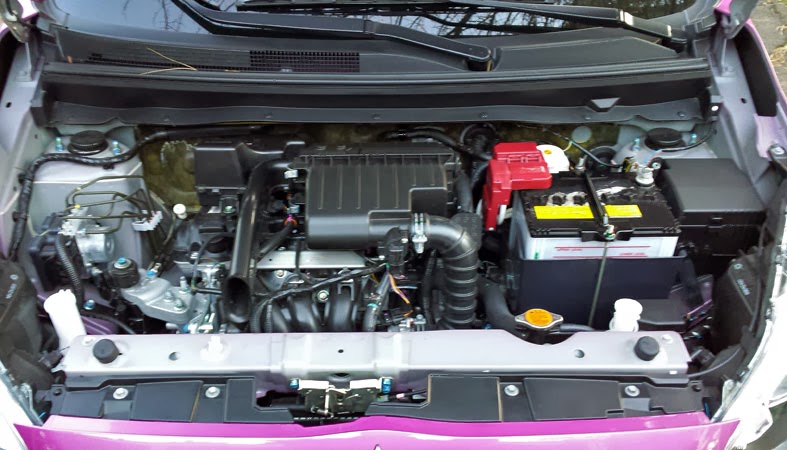
With the coming of these allegedly more complicated cars made today also comes a greatly increased tribal knowledge through the internet. When my Corolla threw an engine code, some quick research online pointed me to what to change out. While the code indicated something with the cat, I changed out the O2 sensors and $110 later, the code was gone and things were back to normal.
Not sure what you guys find so hard to repair in modern cars. I attribute any troubles in fixing my car to my skill set, not the cars complexity.
And the greater the complexity, the greater the skill set, tool set, money, and time that are required. It quickly becomes unreasonable. It is an unnatural state of affairs that was primarily driven by ever-accumulating regulations, not consumer demand.
If you dig deep enough you'll run into problems that don't have an easy answer, and may require expensive tools and proprietary software to attempt to make sense out of.
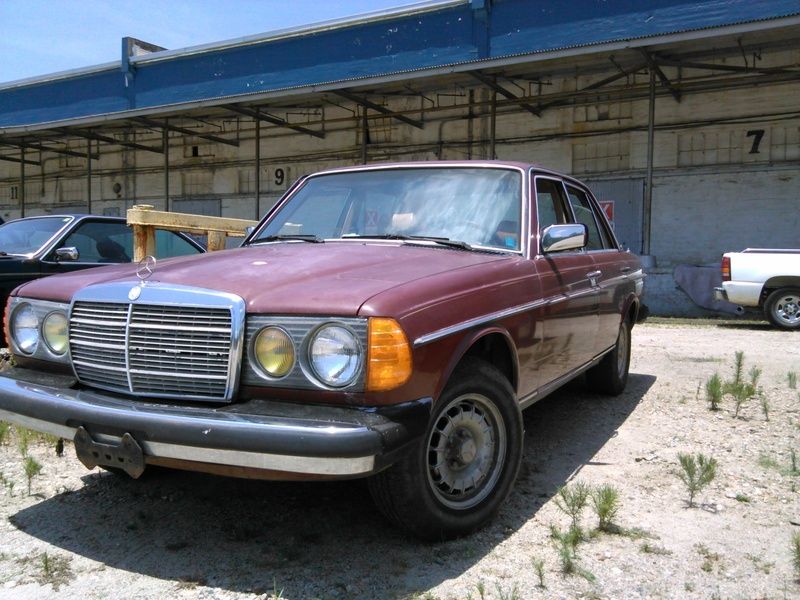
I don't mind too much the early OBD-2 economy cars, they generally aren't too bad to work on, but still more trouble than OBD-1 vehicles usually are.
Googling an error code and swapping a part based on tribal knowledge isn't a very reliable way to solve problems. It can work sometimes, but most of the tribal knowledge out there is based on guessing and singular experiences. The plethora of "trouble-guessing" threads on the internet drive me up the wall honestly, but it happens because people are trying to do the best they can to fill in gaps of understanding. That's what happens when things get too complicated.
With datalogging, which is very cheap or free on older cars, you can watch the O2 sensor signal in real time. There's no post-catalyst O2 sensor on OBD1 so that failure wouldn't have occurred.